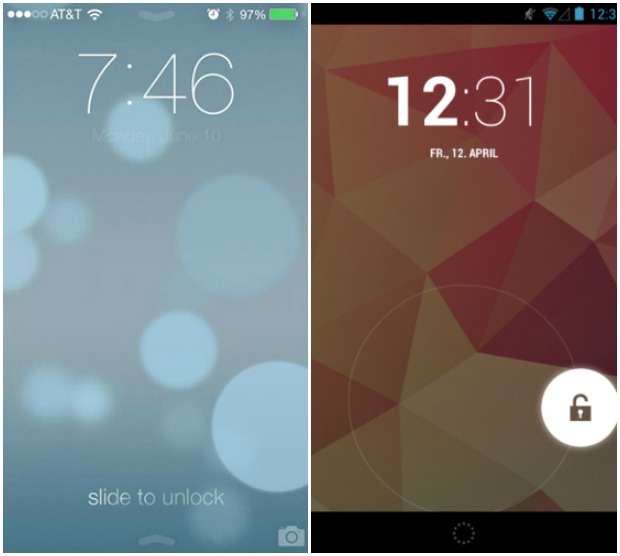
 So does this mean that Android will always be less responsive than IOS? Well in theory yes, however Google has some tricks up their sleeves to try to tame this problem. Here comes Android Jellybean (4.1, 4.2 & 4.3)and Project Butter standing center stage to help rescue Android from poor responsiveness, with improvements like Triple Buffering and VSync.
Triple Buffering was a very welcome improvement over the Double Buffering that was present in Android Ice Cream Sandwich (4.0), and helps eliminate that noticeable stutter Android has always had. What this does is makes sure that all three main hardware components are working in unison the CPU,GPU, and the display. This makes sure that everything being rendered should already be stored in a buffer reducing stutter because it shouldn’t have to be rendered in real time.
Vertical Sync or VSync as it is often referred to is another huge improvement in Jellybean. What VSync does is tells the system to not draw another frame until the current frame is finished, and then immediately tells the system to start the next frame. VSync also finally makes Android be rendered at 60fps at all times much like IOS.
With all of those improvements in Jellybean 4.3 it finally makes Android feel as smooth as IOS with rendering graphics etc. Although IOS still is the winner in overall fluidity and touch responsiveness by the narrowest of margins. Apple better up their game because it looks as if Google has made it their goal to take the fluidity crown from Apple.

No comments:
Post a Comment